You have completed your exploration across Lend and Gries. From 19th-century cast-iron frames and timber-docking markets to street-art churches, working-class text monuments, and 750-year-old mill canals, the right bank demonstrates how modern Graz balances industrial memory with creative reinvention.
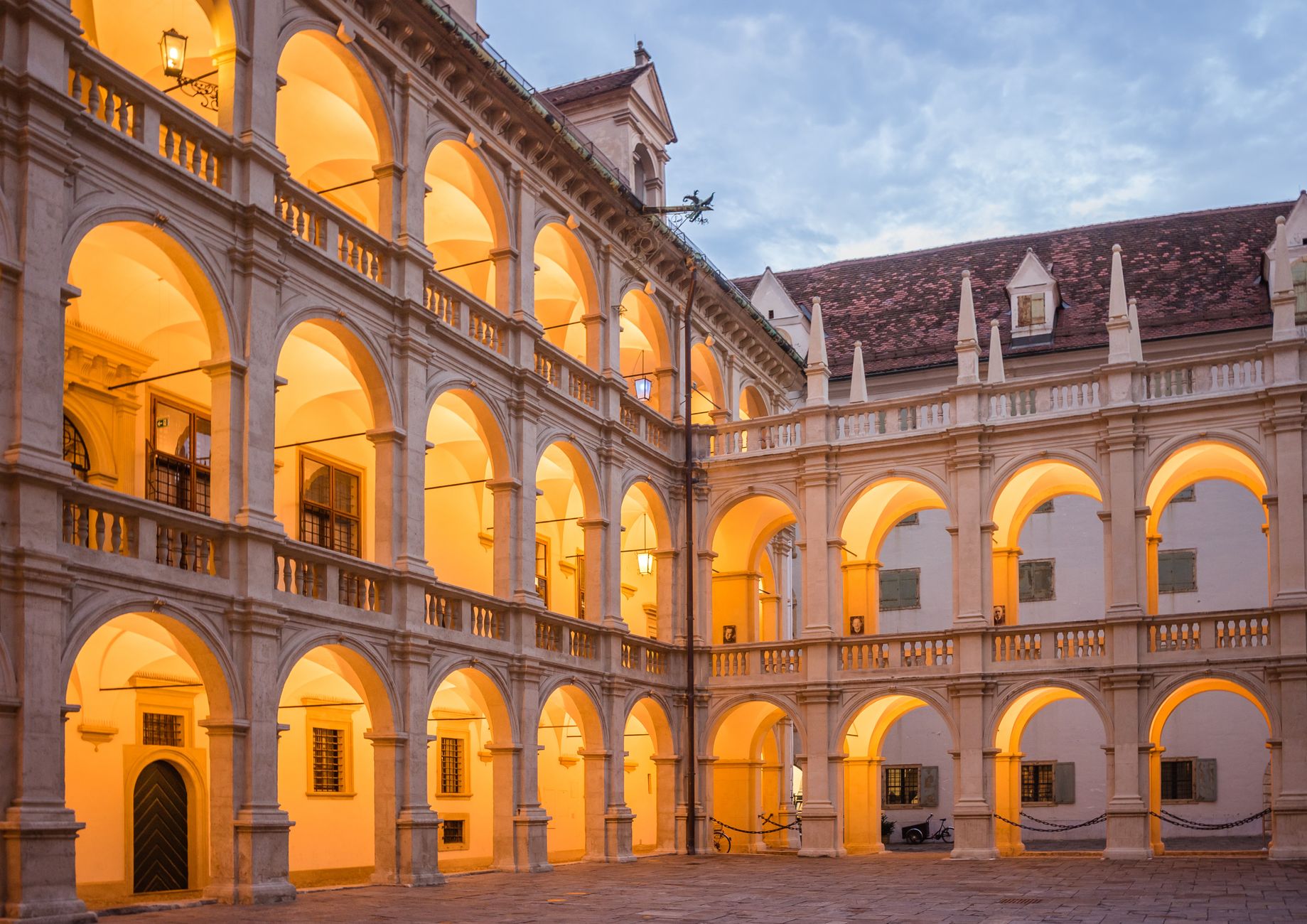
Long before Graz became a UNESCO City of Design in 2011 or earned World Heritage status in 1999, the city was continuously reshaping its streetscapes to meet structural challenges. From 16th-century fortress architects introducing delicate Italian arcades to 19th-century ironmasters experimenting with prefabricated commercial fronts, civic spaces here have always reflected shifting priorities. In the late 20th century, urban planners pioneered pedestrian-first corridors that reclaimed historic thoroughfares from motor cars, laying the groundwork for bold 2003 European Capital of Culture interventions. This walking tour decodes the physical streetscape, revealing how structural engineering, public policy, and architectural rebranding built a living laboratory of urban design.
See next tour