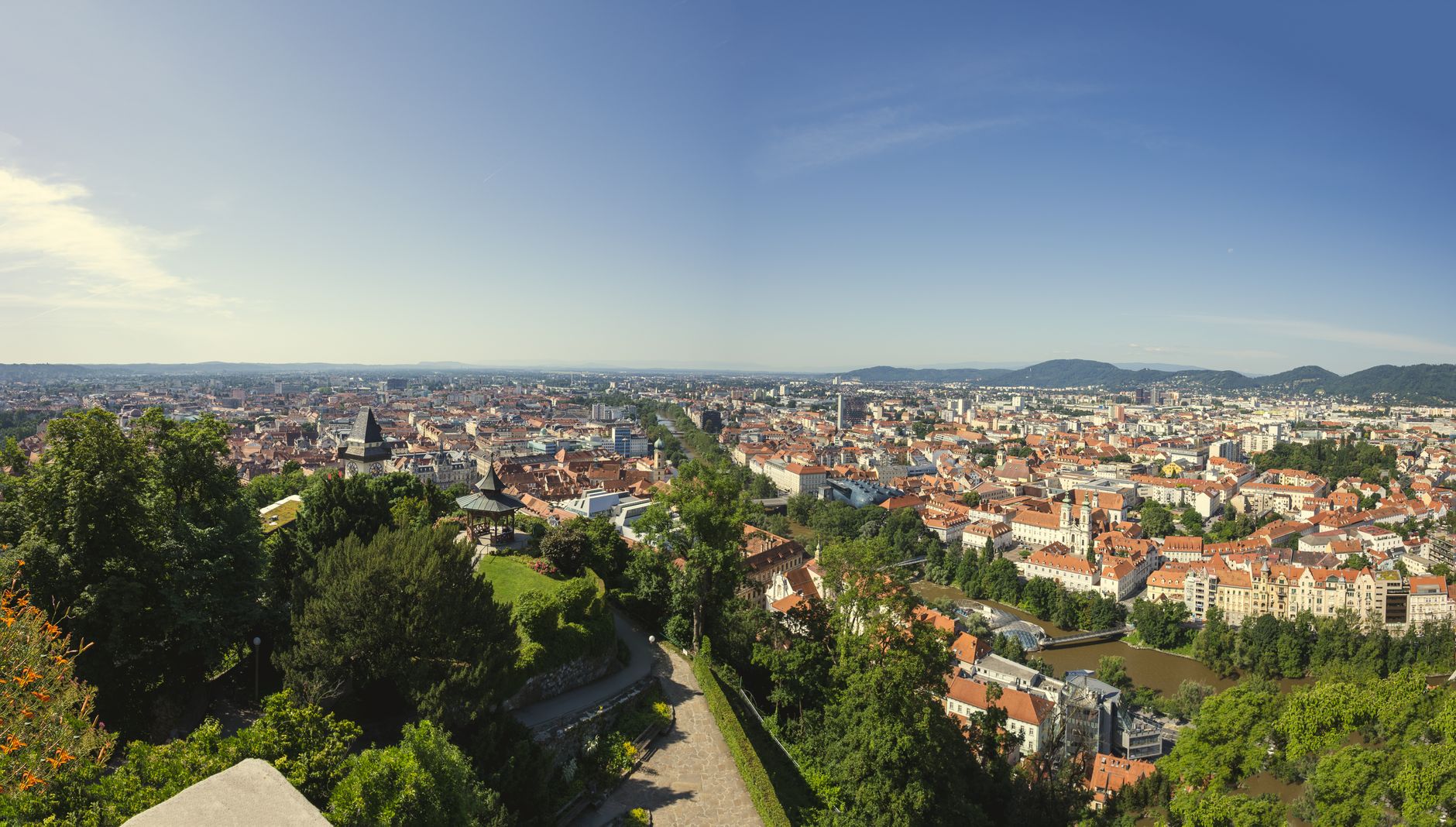
Lendplatz derives its name from 'Anlenden', referring to the historic landing dock where timber rafts, barges, and heavy goods were unloaded along the Mur River. Over time, as industrialisation reshaped the district, the square evolved into a major trading point for regional Styrian agricultural goods. In the 19th century, bourgeois residents on the left bank often associated Lendplatz with 'robber gangs' and lawlessness—a persistent social stereotype reflecting elite anxieties regarding the working-class populations living across the river. Today, Lendplatz demonstrates a dual identity. In the mornings, covered stalls and open vendor stands buzz with traditional farmers selling fresh regional produce. By late afternoon and evening, the market stalls close and give way to bustling gastropub seating, making the square a central gathering place for the neighborhood's creative sector and local residents.
What is documented — and what is not
Documented fact
The name Lend derives from Anlegen or Anlenden, referring to the landing of rafts and flat-bottomed river craft that travelled on the Mur.
Evidence: Universalmuseum Joanneum / Museum für Geschichte
Interpretation
Historical accounts of Graz's Mur suburbs record prostitution, brawling, petty crime and begging around small inns; such descriptions contributed to a rough social reputation for the right-bank suburbs.
Evidence: City of Graz
Sources
- 4. Bezirk LEND
Universalmuseum Joanneum / Museum für Geschichte · secondary
- LQI 2013 — Residenzielle Segregation
City of Graz · secondary